Leave Your Message
You know, with how fast technology is moving these days, we really can't underestimate just how crucial reliable electrical protection is. I came across this report from the Electric Power Research Institute that mentioned lightning strikes can rack up billions in damages annually, hitting both homes and businesses hard. And as we all rely more on gadgets, having solid surge protection is absolutely essential. I mean, just think about those Single Surge Protector Plugs—they're like your first defense against those annoying voltage spikes that can really mess things up and lead to expensive repairs.
So, there's a company called Zhejiang Leihao Electric Co., Ltd. that popped up in 2015. They’re all about manufacturing top-notch Lightning Conductors, protectors, and surge protectors. Being a leading supplier, they really focus on crafting advanced Low Voltage Surge Protectors and Power Surge Protective Devices to handle those pesky power surges. Plus, they get that good after-sales service can make a world of difference—it not only keeps customers happy but also cuts down on those costly repair bills from faulty gear. If folks really understand the long-term perks of investing in quality surge protection, especially when it comes to those Single Surge Protector Plugs, I bet it could change how consumers and businesses make their choices overall.
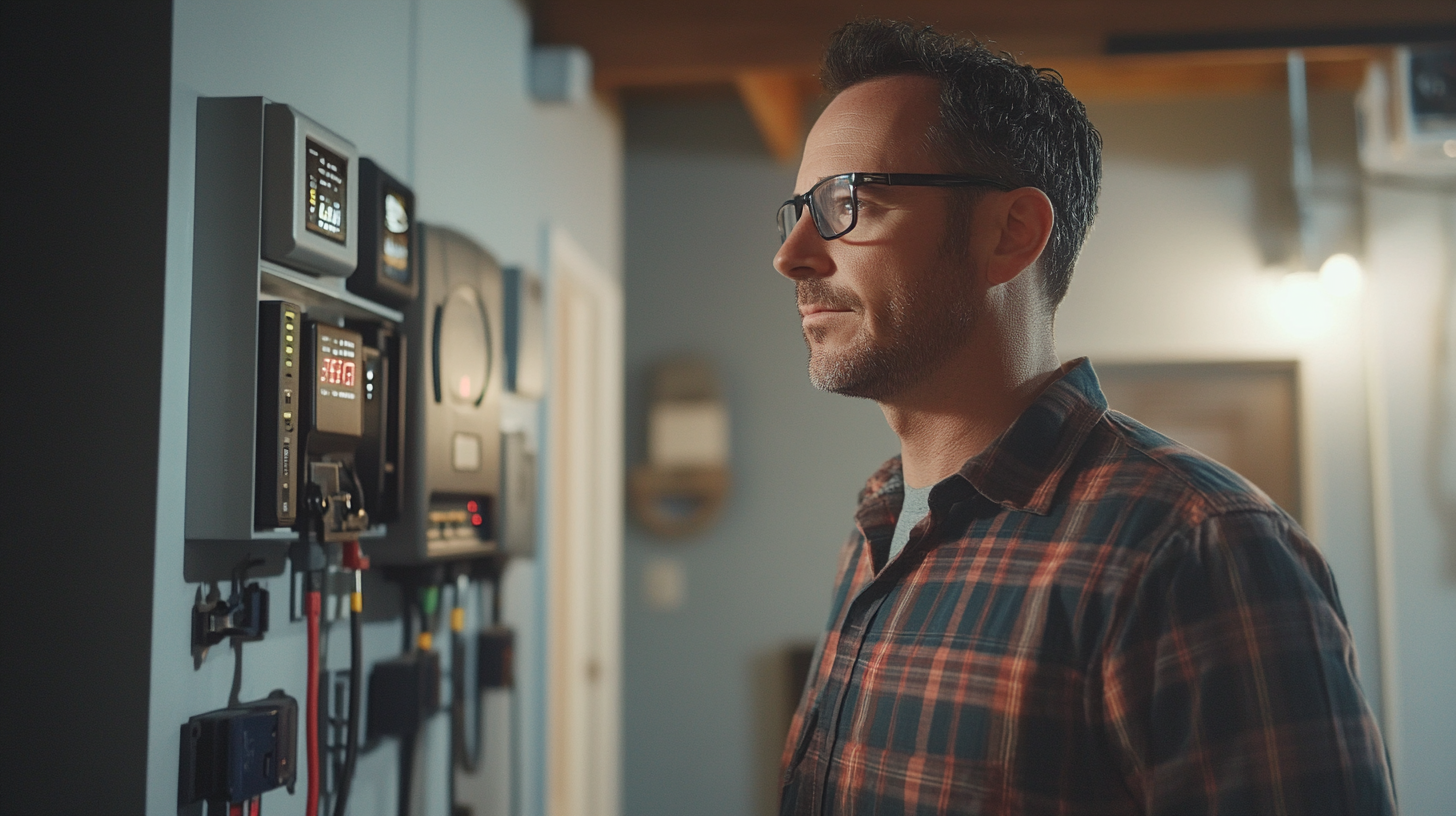
You know, in today’s crazy fast world of electronics, you just can’t underestimate how crucial after-sales service really is. It’s like the lifeline between manufacturers and consumers, especially when you’re talking about things like those single surge protector plugs. Good after-sales service doesn’t just help customers when things go south; it actually boosts the reliability and overall satisfaction with the product. When something goes wrong, having quick and effective support can mean a world of difference, often saving you a ton on repairs and helping your gear last longer. Research backs this up too! Companies that put their money into after-sales support typically see a solid return, mainly through happy customers who stick around and lower warranty claims. Take a look at that recent study featured in "E-Satisfaction"; it really nails how important service quality is in keeping customers happy, especially in the banking world. And honestly, it’s just as true for electronics. When folks are satisfied with their purchases, they’re not just likely to buy again – they’re also more willing to talk up the brand, which is a win-win for everyone. On another note, really paying attention to customer feedback and tackling issues with a solid after-sales service can shine a light on where products can be improved. Companies that are willing to listen and respond to what their customers are saying often end up being the ones that innovate better, leading to safer and more dependable products down the line. Taking this proactive approach to service not only cuts down on repair costs but also builds a great reputation, showing that these businesses genuinely care about their customers well beyond the initial sale.

You know, after-sales support is super important when it comes to getting the most out of surge protector plugs. It’s not just about making customers happy, but also about keeping repair costs in check. One of the big things that makes this support effective is having quick and helpful customer service. When someone runs into problems with their surge protectors, it’s so helpful to talk to knowledgeable reps who can diagnose what’s wrong and offer solutions right away. This not only cuts down on downtime but can also save customers from those annoying and expensive repair bills. It's all about guiding them through troubleshooting or pointing them in the right direction for warranty help.
Another key piece of solid after-sales support is really getting into the nitty-gritty of product education. Giving customers all the info they need about how to use and take care of their surge protectors can really boost how well these things perform and how long they last. Things like instruction manuals, online resources, and even just reaching out with maintenance tips can help folks dodge some common mistakes that might lead to malfunctions. Plus, following up to remind customers of these best practices keeps their surge protectors running like a dream.
And let’s not forget about having a strong warranty and repair service – that really shows that you care about quality and making customers happy. A good warranty builds trust, for sure. It gives folks a solid reassurance that if anything goes wrong, it won’t cost them an arm and a leg to fix. Plus, making the repair process smooth, whether that’s easy access to repair shops or options for replacements, can seriously lighten the financial burden on people. This way, they’re more likely to stay loyal and share the love with their friends and family.

You know, keeping up with regular maintenance is super important if you want to save a bunch on repair costs—especially for things like surge protector plugs. Just like with our cars, how long these gadgets last and how well they work really depends on the care they get. So, maintenance could involve checking the connections, testing to see if the surge protection is doing its job, and swapping out any parts that are looking worn out. By taking these proactive steps, you can stop small problems from turning into expensive repairs, and make sure your devices keep doing their job for as long as possible.
And, when we talk about after-sales service, highlighting the importance of regular maintenance can really be a game changer for customers. It not only builds trust and satisfaction but also cuts down on those pesky repair costs that come from neglecting maintenance. For example, if a company offers maintenance plans or sends reminders for service checks, it can really encourage customers to stay on top of their device care. This saves people some money in the long run, and it helps build brand loyalty too—since customers will love having that extra support after they make a purchase.
As folks get more savvy about all the hidden costs that come with owning stuff, from electronics to cars, the need for solid after-sales service and maintenance really starts to stand out. In short, when people invest in products, they’re not just grabbing a device; they’re looking for some peace of mind, knowing their investment will be well-protected with the right maintenance strategies.

Hey there! In today's super competitive world, having solid after-sales service is key to really getting the most out of products like those single surge protector plugs. You know, a customer support team that knows their stuff can nail troubleshooting, which not only slashes repair costs but also boosts customer happiness. I came across a McKinsey report that says companies with top-notch customer support can cut operational costs by as much as 30%. That's mainly because they handle problems better and keep unnecessary returns to a minimum.
Now, with AI stepping into customer service, things are changing fast. Organizations are seeing a big shift in how their support teams function. With the help of AI tools, they can get to product data and common troubleshooting tips way quicker, which means support representatives can tackle issues more efficiently. Gartner even shared that AI-powered customer service can ramp up response times by a whopping 70%! It really highlights how important it is for companies to invest in training programs that help teams get comfortable with these new technologies.
And you know, just like how tech in nursing has changed the game for patient care with better diagnostics and monitoring, having knowledgeable customer support teams in the electronics sector is a must. A team that knows what they’re doing can sort out technical issues precisely, which keeps the questions from piling up and builds brand loyalty too. Forrester found that 73% of consumers think a good customer service experience makes them stick around. So, it’s pretty clear that putting money into training and tech is vital for long-term success!
You know, in today’s competitive world, customer feedback is really becoming one of the most important things for improving service, especially in tech areas like surge protector plugs. When customers feel like their opinions actually matter, it helps create a connection that goes way beyond just the initial sale. This kind of interaction encourages people to share their thoughts and even suggest ways to make things better. Plus, this back-and-forth helps companies really grasp what their customers need while also shining a light on common repair problems, which in turn can lead to smarter changes in product design and after-sales support.
By embracing customer insights, businesses can create a culture that’s all about empathy and responsiveness—two major keys to keeping customers happy. When companies take the time to listen and respond to feedback, they’re not just tackling immediate issues. They’re also building trust that lasts a long time with their clients. And guess what? This kind of relationship can lead to higher retention rates and lower repair costs. You see, when products are designed with users in mind, they tend to malfunction less.
Take the healthcare industry, for instance. They've figured out that showing empathy in service translates to better profits. The electronics market could surely gain from applying these same principles to after-sales support for surge protector plugs.
So, by putting customer feedback front and center, companies can come up with proactive strategies that not only boost service quality, but also create a cycle of constant improvement. Investing in this kind of responsive service is key to cutting down on repair costs and maximizing the value they offer to customers. In the long run, businesses end up saving on operational costs and really nail down their place in the market—demonstrating a solid commitment to keeping their customers satisfied.
You know, warranty programs really make a huge difference when it comes to building trust and keeping customers happy—especially for those single surge protector plugs. Let’s be real, most people think twice before splurging on these products, mainly because they worry about how long they’ll last and if they’ll be stuck with repair bills later on. But when companies step up with solid warranty programs, it takes a lot of that stress off the table. It’s like saying, "Hey, we’ve got your back!" A good warranty not only lays out what’s covered but also shows that the company truly cares about quality and their customers. This kind of commitment can seriously boost customer loyalty and bring people back for more.
Plus, warranty programs really help to lower repair costs for both the buyers and the companies. If something goes wrong while it’s still under warranty, customers can get their surge protectors fixed or swapped out without having to reach into their wallets. Isn’t that great? This kind of proactive approach really cuts down on the hassle and financial stress for users, and it gives manufacturers a chance to gather important data about how their products are doing and what needs work. By jumping on issues quickly, companies can tweak their designs and processes, which usually means better products and fewer returns in the long run.
In a world where reliability is everything, having a solid warranty program is pretty much a must-have for any organization. When businesses create trust through their guarantees and responsive service, they build a good reputation that spreads through word-of-mouth, helping them grow their customer base. As customers become more selective about where they spend their money, companies that prioritize after-sales support and solid warranty programs are definitely going to have the upper hand.
You know, in today’s cutthroat market, having solid after-sales service is really essential, especially in industries that deal with electronics, like surge protector plugs. It’s kind of eye-opening, but a study by the Consumer Product Safety Commission found that about half of all consumer electronic complaints come from users not knowing how to use their products properly or just lacking maintenance know-how. So, getting customers educated on how to care for their products can really help cut down on repairs and the overall costs that come with them.
One effective approach is to offer some handy educational materials that guide users on the right way to use and maintain their products. Think about it: clear instructions, snazzy infographics, and even short videos can make it way easier for customers to get why regular check-ups and proper settings are so important. For example, manufacturers could set up a digital platform where users can find tutorials on how to keep their surge protectors in top shape. It’s a great way to not only extend the product’s lifespan but also to save customers some serious cash on repairs.
And let’s not forget about keeping the lines of communication open after the sale. Things like sending out automated reminders for maintenance checks, or tossing in some incentives for those who take good care of their stuff—these tactics really boost customer involvement. A recent report from Marketing Metrics showed that businesses focusing on customer education can slash their repair costs by up to 30%! That’s not just a win for the buyers, but for the companies too.
Plus, having channels for customer feedback is a game changer. This way, manufacturers can quickly spot common issues and tackle them head-on. By weaving this feedback loop into their after-sales strategies, companies can keep honing their products and services, all while building a loyal customer base that trusts them and relies on their expertise in product care.
You know, after-sales service really does make a huge difference when it comes to fixing things and keeping those single surge protector plugs running smoothly. If we peek into a bunch of case studies, it’s pretty clear that companies have found some seriously effective ways to cut down those repair costs with smart after-sales strategies. Take, for example, this big manufacturer that rolled out an awesome customer support system. They included regular maintenance checks and helpful troubleshooting guides. This kind of proactive effort didn’t just keep repairs at bay—it helped them build a loyal customer base, too.
Then there’s this great story about a small electronics company that got creative with a warranty program designed to fit what their customers really wanted. By offering free replacements for any faulty plugs within a certain time, they nipped a lot of repair issues in the bud before they could cause bigger headaches. This not only saved them cash but also boosted their image as a business that really cares about its customers.
And let’s not forget about training technicians to provide top-notch after-sales service! There’s one case that shows how a company focused on better training for their techs saw a sharp decline in repairs, thanks to improved installations and helping customers understand their surge protectors better. When people know how to use their products safely and effectively, it really cuts down on mistakes and keeps those products lasting longer. All these successes just go to show how important prioritizing after-sales service is—not only for slashing repair costs but also for keeping customers happy.
Customer feedback is crucial as it helps companies understand customers’ needs, highlights common repair issues, and leads to informed improvements in product design and after-sales service.
When companies value customer opinions, it fosters a relationship beyond the initial sale, encouraging customers to share experiences and suggestions, which can enhance service empathy and responsiveness.
Responding to feedback builds long-term trust, results in higher customer retention rates, and lowers repair costs by better tailoring products to user expectations.
Educating customers on proper usage and maintenance can significantly reduce the frequency of repairs and associated costs, as many complaints stem from improper use.
Strategies include providing comprehensive educational materials, implementing digital platforms with tutorials, and sending automated reminders for maintenance checks.
Businesses that focus on customer education can see up to a 30% reduction in repair costs, highlighting the financial benefits of empowering customers with knowledge.
Establishing channels for customer feedback allows manufacturers to identify common issues and address them promptly, thus continually improving their products and services.
Proactive communication encourages customer engagement and compliance with recommended care practices, which can lead to reduced repair costs and improved customer satisfaction.
Service empathy can lead to enhanced profitability and increased customer loyalty, similar to its benefits in the healthcare sector.
By prioritizing customer satisfaction, businesses can solidify their market position, save on operational costs, and create a cycle of continuous service improvement.


 Phone
 Email
 Send Email
 whatsapp
 Facebook